
24 Jan, 2026
3 min read
Philippine Peso Weakens Amid Hawkish Fed Minutes; Dollar Strengthens Against Yen
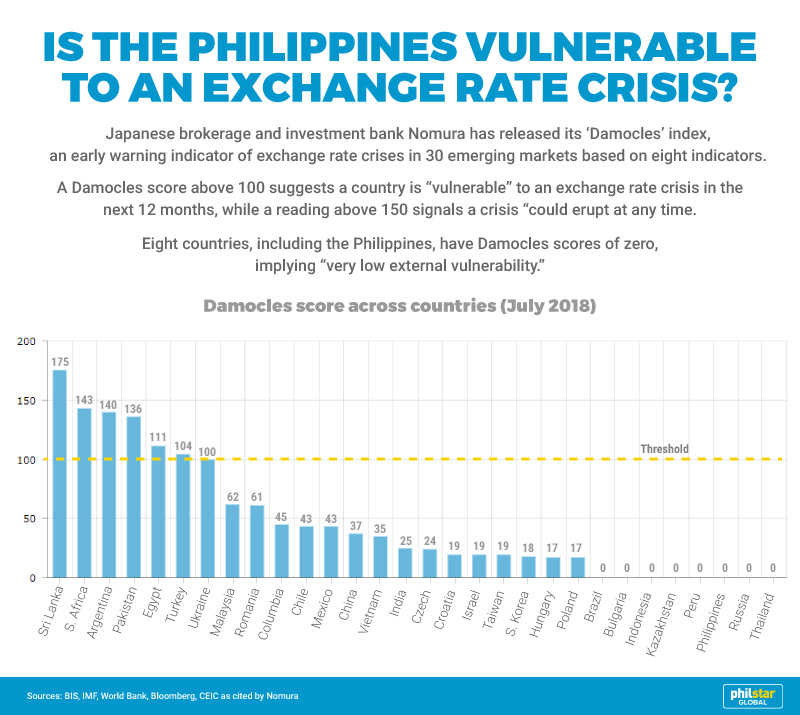
The Philippine peso depreciated against the US dollar on Thursday after the Federal Reserve’s recent policy meeting minutes diminished expectations for an interest rate reduction next month. The peso ended the day at P59.065 per dollar, a decline of 13 centavos from Wednesday’s close of P58.935, according to data from the Bankers Association of the Philippines. Although the peso opened stronger at P59, it dropped to an intraday low of P59.11. Dollar trading volume also declined to $1.08 billion from $1.39 billion the previous day.
One trader noted via phone that the peso’s decline reflected the dollar’s overall strength after the release of the Fed’s hawkish minutes. "Market participants have scaled back expectations for a rate cut in December," the trader said. Another market expert pointed out that the minutes revealed a split among Fed officials over the October policy meeting, casting doubt on the likelihood of easing monetary policy next month.
Analysts emphasized that the Fed remains concerned about persistent inflation and continues to stress the importance of maintaining flexibility in its policy approach. Concurrently, the US dollar strengthened against the Japanese yen, reaching a peak of ¥157.78 late in the Asian session—the highest level since January.
The yen’s depreciation accelerated following Finance Minister Satsuki Katayama’s remarks that there was no specific discussion about foreign exchange at a recent meeting with Bank of Japan Governor Kazuo Ueda. Despite some stabilization during European trading hours, the yen remains approximately 6% weaker since the election of Prime Minister Sanae Takaichi as leader of Japan’s ruling party last month.
The yen’s decline persists even amid rising Japanese bond yields, reflecting investor unease over the significant borrowing required to support Ms. Takaichi’s stimulus initiatives. Vishnu Varathan, Mizuho’s head of research for Asia, commented, "One must either accept a narrative of selling Japan or believe that traditional relationships, such as the US-Japan interest rate differential and currency valuations, are no longer stable."
Traders anticipate possible intervention by Japanese authorities near the ¥160 per dollar level to curb sudden currency moves. Chief Cabinet Secretary Minoru Kihara described recent market fluctuations as "sharp, one-sided, and concerning."
Looking ahead, some market participants expect the Philippine peso could strengthen if upcoming US labor data disappoints. Price targets vary, with one trader projecting a range between P58.90 and P59.20 per dollar, while another forecasts P58.90 to P59.15.
The Federal Reserve has reduced borrowing costs twice this year during an easing cycle initiated in September 2024, bringing the benchmark rate to 3.75%-4%. Initially, investors anticipated a possible rate cut in December; however, the tone of the latest minutes has prompted a reassessment of this outlook.
Recommended For You

IAG Joins Lufthansa and Air France-KLM in Bidding for Stake in TAP Air Portugal
Jan 24, 2026
Maria Santos

Advice on Handling Threats in a Complex Relationship Situation
Jan 24, 2026
Paolo Benitez

Mandaluyong Vice Mayor Backs City’s Student Entrepreneurs at 2025 Cup
Jan 24, 2026
Juan dela Cruz
Muntinlupa Vice Mayor Tours Alabang Philippines Temple Ahead of Public Open House
Jan 24, 2026
Maria Santos