
24 Jan, 2026
3 min read
The Double-Edged Impact of Short-Form Videos on Attention and Learning
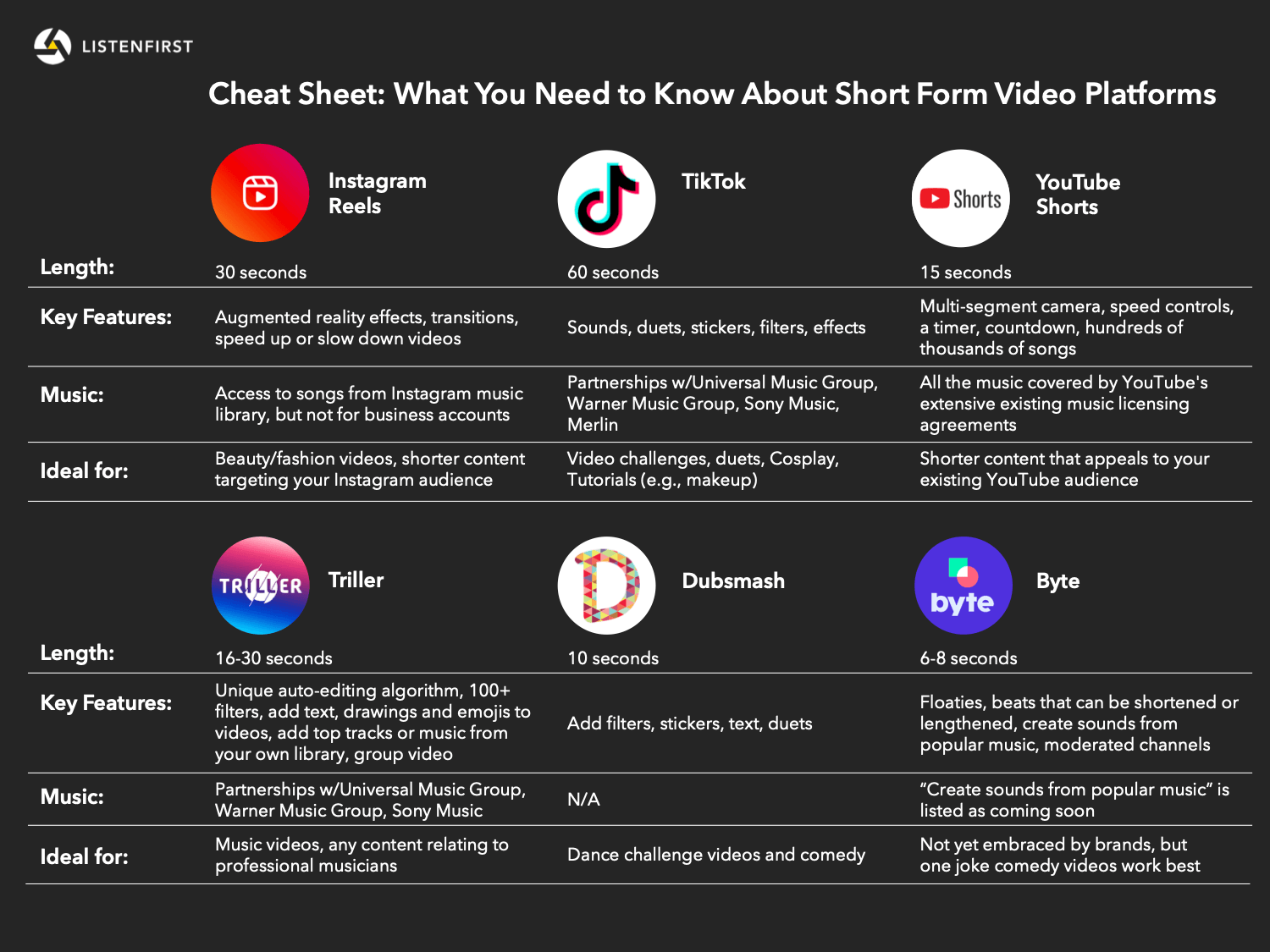
In today's digital landscape, short-form video platforms such as TikTok, Instagram Reels, and YouTube Shorts have fundamentally altered how we consume information. These rapid, fleeting clips—from viral dances to quick life hacks—seamlessly pull users into an endless stream of content, often transforming minutes into hours without notice. This pattern has become a routine part of many daily lives, filling brief pauses once used for reflection or rest.
Research indicates that heavy users of these platforms may experience shortened attention spans and find it more difficult to engage with complex or lengthy tasks. For example, a recent study involving university students linked frequent consumption of short videos to decreased performance on tasks requiring sustained attention.
However, the influence of these short clips is not solely negative. The microlearning potential inherent in this format offers accessible, bite-sized educational content that fits effortlessly into busy schedules. A brief video can introduce concepts such as math shortcuts, language tips, or scientific facts more engagingly than traditional lectures. Studies suggest these succinct educational bursts can reinforce learning, inspire curiosity, and reduce the intimidation often associated with deeper study.
The challenge lies in the fast-paced nature of short-form videos, which prioritize immediacy and emotional impact, sometimes at the cost of accuracy and nuance. For instance, an analysis from 2025 revealed that over half of the top TikTok videos offering mental health advice contained misleading or incorrect information. Moreover, the same platforms can foster harmful behaviors such as doomscrolling—endless consumption of emotionally intense and fragmented content—that depletes mental energy.
Users grapple daily with this tension between distraction and knowledge acquisition. While the appetite for long-form, focused reading diminishes, viewers occasionally encounter videos that clearly explain concepts, tell compelling stories, or prompt further exploration. These moments underscore the complex nature of modern digital learning—fragmented, rapid, and unpredictable, yet capable of delivering meaningful insights when approached thoughtfully.
Experts emphasize the importance of intentional use. Engaging with short-form videos mindfully—through reflection, supplemental reading, or note-taking—can transform quick clips into effective microlearning experiences instead of mere distractions. Acknowledging the fragility of attention and actively nurturing it is crucial.
Ultimately, platforms like TikTok and Reels are neither inherently detrimental nor purely beneficial. They mirror our contemporary cognitive landscape: curious, restless, and negotiating between speed and depth. The crucial factor lies in how individuals choose to interact with these tools. Amid rapid swipes, quick information, and bursts of entertainment, there exists an opportunity to reclaim fragmented attention and convert it into meaningful learning moments. In the accelerated rhythm of today's digital age, pausing to observe and deliberately steer our media consumption can help shape our minds constructively.
Recommended For You

IAG Joins Lufthansa and Air France-KLM in Bidding for Stake in TAP Air Portugal
Jan 24, 2026
Maria Santos

Former PNP Officer Arrested for Motorcycle Theft in Bacolod City
Jan 24, 2026
Juan dela Cruz

Karl Eldrew Yulo Embraces Positivity Ahead of Junior World Gymnastics Championships
Jan 24, 2026
Jose Reyes
Mandaluyong Vice Mayor Backs City’s Student Entrepreneurs at 2025 Cup
Jan 24, 2026
Juan dela Cruz