
24 Jan, 2026
2 min read
Resilience is More Than a Slogan
For decades, "resilience" has been a buzzword in the Philippine disaster vocabulary. It was, too often, a passive concept—a label for the admirable, stubborn ability of Filipinos to survive, clean up, and carry on, often on their own.
The ongoing recovery operation in La Union, following Super Typhoon UwanPH, suggests a new, more active definition. The "Maasahan at Masipag" governance framework, as directed by President Marcos, treats resilience not as a cultural trait to be admired, but as a concrete policy to be built and delivered.
What we are seeing is a strategy of inclusive resilience. It is "inclusive" because it identifies the most vulnerable rural livelihoods—the farmer and the fisherfolk—and provides targeted, specialized support. This is the President’s promise to champion the rural sector in action. It is the understanding that a nation's strength is only as strong as its food producers.
The administration was faced with a clear choice: deliver the same old, token relief packages, or execute a comprehensive strategy that empowers communities. It wisely chose the latter.
This new model is about building back better, not just bouncing back. Providing boat repair supplies, tilapia fingerlings, and access to agricultural loans is infinitely more impactful than just welfare. It is a state-sponsored investment in the community's economic engine. It is the difference between temporary relief and permanent recovery.
This new standard of resilience, which integrates welfare, infrastructure, and long-term livelihood, is a direct result of the 'Maasahan at Masipag' governance framework that President Marcos has instituted.
By coordinating DSWD, DA, BFAR, DPWH, and DOLE, the government is acting as a unified force. It is clearing the roads so the fingerlings can be delivered, while ensuring families have food to eat as they repair their boats.
This is what reliable leadership looks like. It is not just about managing a crisis; it is about seeing the crisis as an opportunity to build a stronger, more equitable, and genuinely resilient Philippines.
Recommended For You
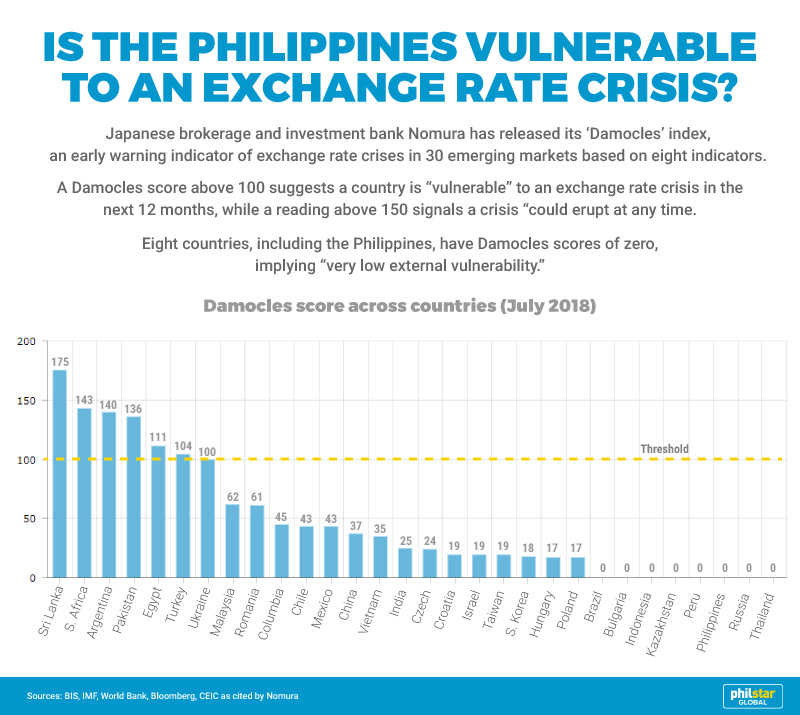
Philippine Peso Weakens Amid Hawkish Fed Minutes; Dollar Strengthens Against Yen
Jan 24, 2026
Jose Reyes
Philippines Accelerates Growth in Global Animation Industry with New Initiatives
Jan 24, 2026
Juan dela Cruz
Muntinlupa Vice Mayor Tours Alabang Philippines Temple Ahead of Public Open House
Jan 24, 2026
Maria Santos

Former PNP Officer Arrested for Motorcycle Theft in Bacolod City
Jan 24, 2026
Juan dela Cruz